If you’re shutting down for a period of time then there are a few things you can put in place now to ensure you can get your machines straight back up and running after the celebrations…
Tramp oil is one of the most common and damaging contaminants found in CNC coolant systems, and removing it regularly is essential to maintaining coolant performance. When oil from hydraulics or slideways floats on the surface, it creates a barrier that prevents oxygen from entering the coolant. This encourages anaerobic bacterial growth, which leads to unpleasant odours, reduced coolant life, and a decline in machining performance. By skimming tramp oil regularly, you help the coolant “breathe,” stabilise its condition, and significantly extend sump life while keeping your machines running more efficiently.
Key actions to control tramp oil:
Solid contaminants like swarf, fines and metal turnings are one of the fastest ways to degrade coolant performance if they are left to circulate or settle in the sump. These particles increase wear on pumps and tooling, disrupt coolant flow and create pockets where bacteria can thrive. Over time, they also form sludge at the bottom of the tank, reducing coolant capacity and heat transfer efficiency. Removing solids regularly helps maintain stable coolant condition, improves machining consistency and reduces the risk of machine downtime caused by blocked filters or damaged components.
Why removing swarf and solids is important:
Best practices for effective removal:
Maintaining an adequate coolant level is often overlooked, but it plays a critical role in system stability and coolant life. When coolant levels drop too low, the fluid becomes more exposed to air, heat fluctuations, and contamination from chips and tramp oil. This increases the risk of bacterial growth and causes the coolant to degrade. Keeping the sump consistently above 75% capacity helps maintain thermal stability, ensures proper pump performance, and reduces the concentration swings that occur when top-ups are made too infrequently or in large volumes.
Why maintaining over 75% sump volume matters:
Best practices for coolant level control:
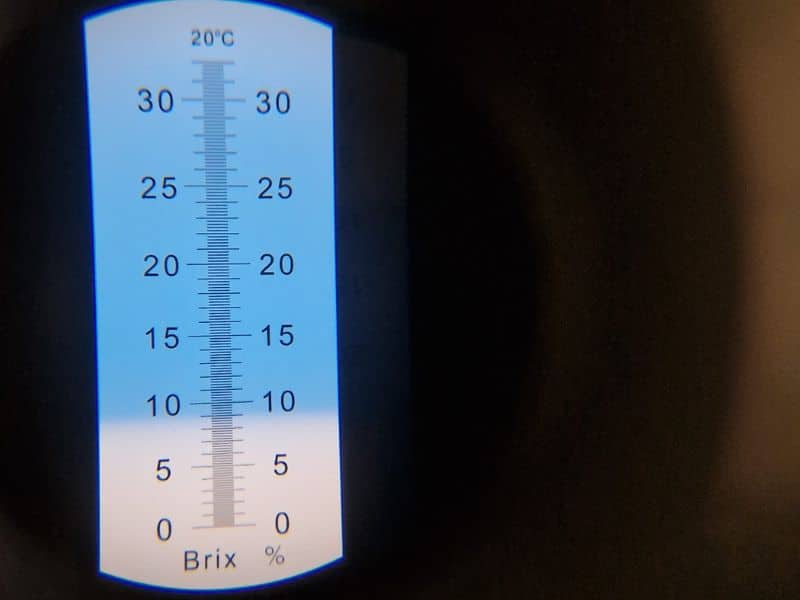
Coolant concentration is one of the most important factors in maintaining stability, performance, and tool protection. Running at the lower end of the recommended dilution range can leave the system under-protected, increasing the risk of corrosion, bacterial growth, and poor lubrication. Keeping concentration toward the upper end (within manufacturer guidelines) provides a stronger safety margin, helping the coolant resist contamination and last longer between maintenance interventions.
Why higher-end dilution control is beneficial:
Best practices:
pH level is a key indicator of coolant health and microbial stability. As coolant degrades, pH typically drops due to bacterial activity and contamination. When pH falls below 8.6, it signals that the fluid is becoming biologically unstable and more susceptible to rapid deterioration. In these cases, controlled biocide dosing can help restore balance and prevent further bacterial growth, protecting both coolant life and operator safety.
Why pH control is critical:
Best practices for managing pH:
Coolant health is strongly influenced by circulation and oxygenation. When machines sit idle for extended periods, especially over weekends or shutdowns, the coolant becomes stagnant. This creates ideal conditions for anaerobic bacteria to grow, particularly if tramp oil or contamination is already present. Running machines more frequently before downtime helps circulate the coolant, improve oxygen levels, and reduce the likelihood of bacterial build-up while the system is static.
Why oxygenation matters:
Best practices before shutdown periods:
By following these 6 simple steps, you’ll give your coolant the best possible chance of staying clean, stable, and productive, so when you reopen, your machines are ready to perform straight away. Better coolant control means improved tool life, and more consistent machining results across the board.
If you’d like a second opinion on your coolant condition or need help with a particular application, our technical team is here to help. We work with manufacturers every day to diagnose issues, improve fluid life, and reduce downtime, and our advice is always free!
To find out more about our range of lubricants or our PROCARE Fluid Management service, get in touch with us today. We can help you move from reactive coolant maintenance to a more controlled, data-led approach that keeps your machines running at their best.
📞 Call us: 0114 285 2987
📧 Email: [email protected]