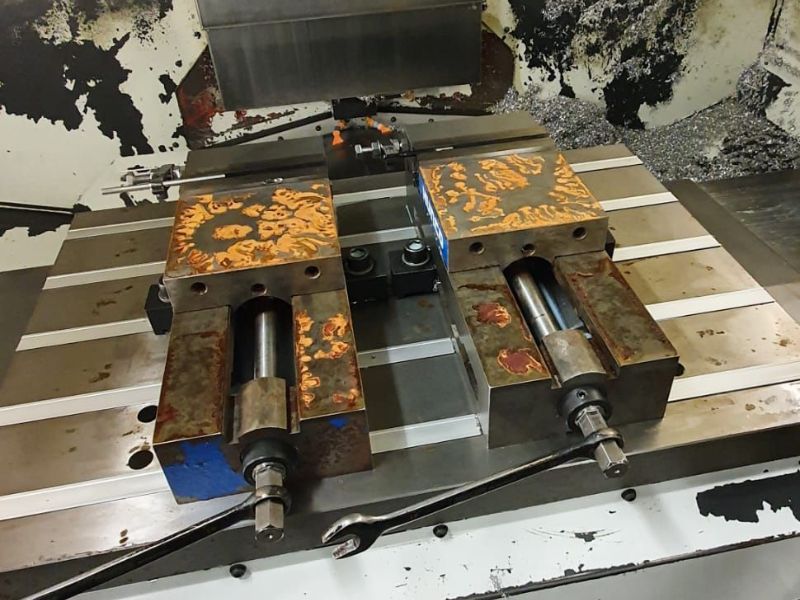
 Rust and Corrosion in Machine Tools: What You Can’t See Will Hurt You
Rust and corrosion on machine tools, fixtures and moving components are more than just a cosmetic issue. What often starts as a slight discoloration or surface pitting can quickly turn into hidden damage that affects accuracy, reliability and equipment lifespan.
In many workshops, corrosion develops beneath guards, inside coolant systems, or in areas that aren’t inspected regularly. By the time it becomes visible, performance may already be compromised.
Understanding what causes corrosion and how to control it is essential for protecting your machines, your product quality and your bottom line.
Machine tools operate in a harsh environment: metal chips, heat, moisture, chemicals and bacterial activity all combine to create ideal conditions for corrosion.
Unchecked corrosion can lead to:
So we know why corrosion is such a big problem in machining, but what causes corrosion?
While rust is often blamed on “water exposure,” the reality is more complex. In machining environments, corrosion is usually driven by a combination of water chemistry, contamination and bacterial activity.
Water with high mineral content leaves scale and deposits inside coolant systems and on machine components. These deposits can trap moisture, disrupt protective fluid films and create micro-environments where corrosion can begin.
Chlorides, often present in water supplies or introduced through process contamination are highly aggressive to steel and many alloys. Even small concentrations can accelerate pitting corrosion, particularly on precision surfaces and fixtures.
Bacteria don’t just degrade coolant performance, they actively contribute to corrosion. Certain microbes produce acidic by-products and create biofilms that hold moisture against metal surfaces. This process, known as microbiologically influenced corrosion (MIC), can rapidly attack machine components, coolant lines, sumps and tanks.
In other words, poor fluid hygiene doesn’t just affect tool life and operator health and safety, it can physically damage your equipment.
One of the biggest challenges with corrosion is that it often develops in places you don’t routinely inspect:
By the time corrosion becomes visible, underlying surfaces may already be compromised. However, maintaining good coolant health goes a long way to helping prevent corrosion.
Read on to find out more.
Coolants and lubricants are your first line of defense against corrosion. When properly maintained, they:
However, fluids degrade over time. Contamination, dilution errors, tramp oils, and bacterial growth all reduce their ability to protect your equipment.
Regular dipslide testing provides a fast, practical way to track bacterial levels in your coolant and lubricants. It allows you to:
This kind of routine testing provides a clear picture of coolant health rather than relying on guesswork. By combining ongoing coolant monitoring with historical results, operators can make informed decisions instead of reacting to problems, with testing, remedial actions, and machine health managed as part of a continuous improvement process.
Our PROCARE Fluid Cloud web app has been designed to streamline and simplify your coolant monitoring processes. Operators, engineers and health and safety teams can have a clear picture of coolant health, all with a simple scan of a QR code.
To minimise the risk of rust and corrosion of machine tools:
1: Perform routine coolant testing:
Perform regular dipslide testing, check concentration and contamination, as well as visual checks for tramp oil, sump level and smell.
2: Control water quality
Understand the mineral and chloride content of your make-up water and select coolants which are suitable for your make up water.
3: Keep systems clean
Skim off tramp oil and remove fines and sludge that can create breeding grounds for bacteria and fungus.
4: Apply corrective treatments early
Don’t wait for fluids to fail before taking action, regular reporting should highlight potential issues, which if addressed early can be avoided.
5: Train operators and maintenance teams
Educating operators to recognise potential issues ensures consistent checks and proper handling practices, which can make a measurable difference in preventing corrosion and maintaining coolant health.
Our PROCARE Fluid Management service helps machine shops take the guesswork out of coolant maintenance by providing expert monitoring and testing. With regular testing and tailored technical support, it extends coolant life, improves machining performance and reduces costly downtime and fluid waste.
Corrosion doesn’t happen overnight, but it also doesn’t fix itself. What starts as minor contamination or chemistry imbalance can quietly undermine your machines, disrupt production, and drive up long-term costs.
By taking a proactive approach to fluid monitoring and maintenance, you’re not just extending coolant life, you’re safeguarding machine tools, preserving part quality and protecting the productivity of your operation.
If you’d like some technical help, get in touch with our friendly team. We’re on hand to troubleshoot application issues and our advice is always free!
Call us on 0114 285 2987 or email [email protected]