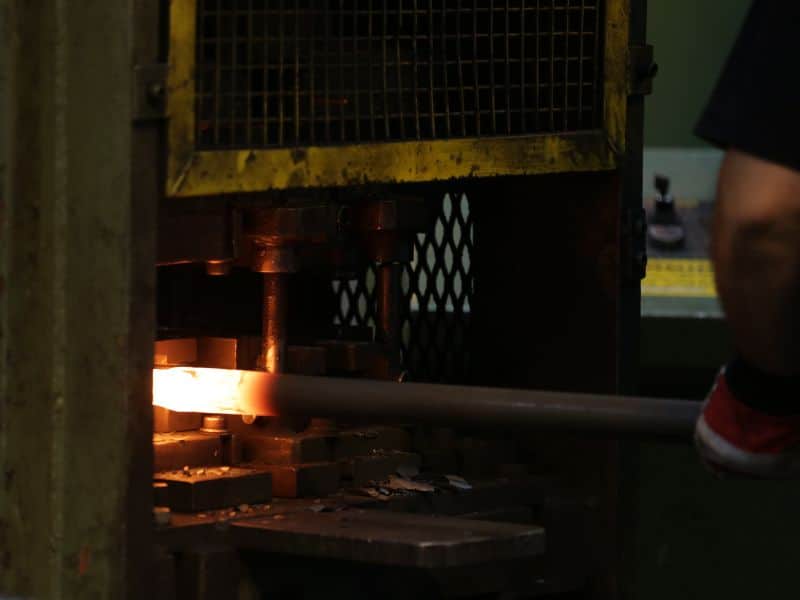
 What Does Hydraulic Oil Actually Do & Why is it so Important?
Hydraulic oil is one of the most important components in any hydraulic system, yet it’s often overlooked until problems start to appear. From manufacturing machinery and presses to construction equipment and agricultural systems, hydraulic oil plays a critical role in keeping equipment running efficiently and reliably.
But what does hydraulic oil actually do?
Many people assume it simply “powers” hydraulic equipment, but its role goes much further than that. Hydraulic oil is responsible for power transfer, lubrication, cooling, contamination control, and protecting components from wear and corrosion.
Understanding how hydraulic oil works can help businesses improve machine reliability, reduce downtime, and extend equipment life.
A hydraulic system uses fluid pressure to transmit power. When hydraulic oil is pressurised by a pump, it moves through valves, hoses, and actuators to create movement and force.
This allows hydraulic systems to:
Without hydraulic oil, the system simply cannot function.
The primary job of hydraulic oil is to transfer power.
Hydraulic fluid carries energy from the hydraulic pump to motors, cylinders, and other components throughout the system. Because hydraulic oil is largely incompressible, it can efficiently transfer force even under extremely high pressures.
This is what allows hydraulic machinery to perform heavy-duty tasks with smooth and controlled movement.
Examples include:
This constant transfer of energy allows hydraulic systems to operate efficiently while maintaining precise control, reliability, and consistent performance under demanding conditions. However, hydraulic oil doesn’t just move power through the system, it also plays a vital role in protecting the internal components that make this movement possible. That’s where lubrication becomes essential.
Hydraulic oil also lubricates internal components within the system.
As the oil circulates, it forms a protective film between moving metal surfaces, helping to reduce:
Proper lubrication is essential for protecting pumps, valves, gears, and bearings from excessive wear. Without effective lubrication, components can quickly become damaged, leading to expensive repairs and unplanned downtime.
In addition to reducing friction and protecting components from wear, hydraulic oil also helps maintain stable operating conditions throughout the system. As machinery operates under pressure, heat naturally builds up, making temperature control another critical function of hydraulic oil.
Hydraulic systems naturally generate heat during operation. Another job of hydraulic oil is to help absorb and transfer this heat away from critical components, helping the system maintain safe operating temperatures.
If hydraulic oil cannot effectively dissipate heat, systems may experience:
Selecting the correct hydraulic oil viscosity and formulation is essential for maintaining thermal stability under operating conditions.
When hydraulic oil is able to manage both lubrication and heat effectively, it creates a far more stable and reliable operating environment for the entire system. However, protecting performance isn’t only about temperature control, it also involves safeguarding components from environmental and chemical damage over time.
Hydraulic oils contain specially selected additives, designed to protect internal metal surfaces from corrosion and rust.
Moisture contamination, condensation, and harsh operating environments can all contribute to corrosion inside hydraulic systems. Over time, corrosion can damage components and reduce system performance.
Quality hydraulic oils help minimise this risk by forming a protective barrier on metal surfaces.
Hydraulic oil also helps carry contaminants to filtration systems where they can be removed from circulation.
Common contaminants include:
Over time, contaminated hydraulic oil can become thicker, more acidic, or unstable, which increases strain on filters and reduces their effectiveness. This creates a cycle where contamination builds even faster if left unchecked.
That’s why effective filtration, regular oil condition monitoring, and correct maintenance practices are essential. Clean hydraulic oil not only extends component life but also ensures the system continues to operate at the correct pressure, response speed and efficiency.
Ultimately, contamination control is one of the most important factors in preventing hydraulic system failure and maintaining long-term reliability.
Even though hydraulic systems may look similar from the outside, their performance depends heavily on what’s inside them. Hydraulic oil is not a one-size-fits-all product, and using the wrong specification can quickly compromise efficiency, reliability and equipment lifespan.
This is why oil quality and correct selection are so important, the right fluid ensures the system can operate as designed, even under demanding conditions, while the wrong choice can introduce avoidable wear, instability, and costly failures.
Choosing the correct hydraulic oil depends on factors such as:
Using the wrong oil can lead to:
High-quality hydraulic oils are specifically formulated to provide:
Viscosity refers to the oil’s resistance to flow and is one of the most important considerations when selecting hydraulic oil.
If the oil is too thick:
If the oil is too thin:
Common hydraulic oil grades include:
So the higher the VG number, the thicker and slower-flowing the oil is. Choosing the correct viscosity depends on the operating environment and machine requirements. Our Technical Team can help you select the correct viscosity for your application, so get in touch today, or check out the Hydraulic Oil Technical Data Sheet for further information and help making the right selection.
Hydraulic oil rarely fails suddenly. It usually gives clear warning signs that something in the system is starting to go wrong. Regular monitoring can help catch these issues early, before they develop into major equipment failures or unplanned downtime.
Some of the most common indicators of hydraulic oil problems include:
When these symptoms appear, they should never be ignored. In most cases, they indicate underlying issues such as contamination, incorrect oil selection, or system stress that will continue to worsen if not addressed. Early detection and corrective maintenance are essential for reliable hydraulic system performance.
Keeping hydraulic oil in good condition is one of the most effective ways to protect equipment performance and reduce long-term operating costs. Well-maintained oil not only ensures smoother system operation but also helps prevent premature wear, breakdowns, and costly unplanned machine downtime.
Effective hydraulic oil maintenance is built around a few key practices:
When these practices are applied consistently, hydraulic systems operate more efficiently, with reduced risk of failure and improved component life.
Ultimately, preventive maintenance is always more cost-effective than reactive repairs. Addressing small issues early helps avoid major breakdowns, extends equipment lifespan, and keeps your production running smoothly.
Selecting the correct hydraulic oil is essential for maintaining system efficiency and protecting equipment. At Pennine Lubricants, we supply a range of high-performance hydraulic oils designed for industrial applications, including:
Our technical team can also help businesses select the correct lubricant for their operating conditions and equipment requirements, simply get in touch with our friendly team today!