 How to Squeeze Maximum Value from Your Metalworking Fluids During a Time of Rising Costs
Global supply chains are once again under pressure, with the conflict in the Middle East pushing up the cost of base oils, additives and transportation. For manufacturers, machine shops and maintenance teams, this means one thing: metalworking fluids and lubricants are about to significantly increase, and in some cases be harder to source.
If you run CNC machines, lathes, mills or grinding operations, now is the time to tighten control of your coolant systems. Optimising your fluid management won’t just save money, it will reduce downtime, improve tool life, enhance operator safety, and keep production running smoothly during unpredictable times.
In this article, we’ll explore three high-impact, practical strategies to help you extract every bit of value from your coolant:
1: Get concentration under control
2: Keep coolant clean and contamination-free
3: Recovery of fluid from swarf
These insights are based on shop floor observations from Bob Dulieu, one of our Technical Sales Managers who visit UK machine shops every week.
One of the biggest and most expensive mistakes we see in machine shops is incorrect coolant concentration. And with prices rising, hidden waste is becoming painful.
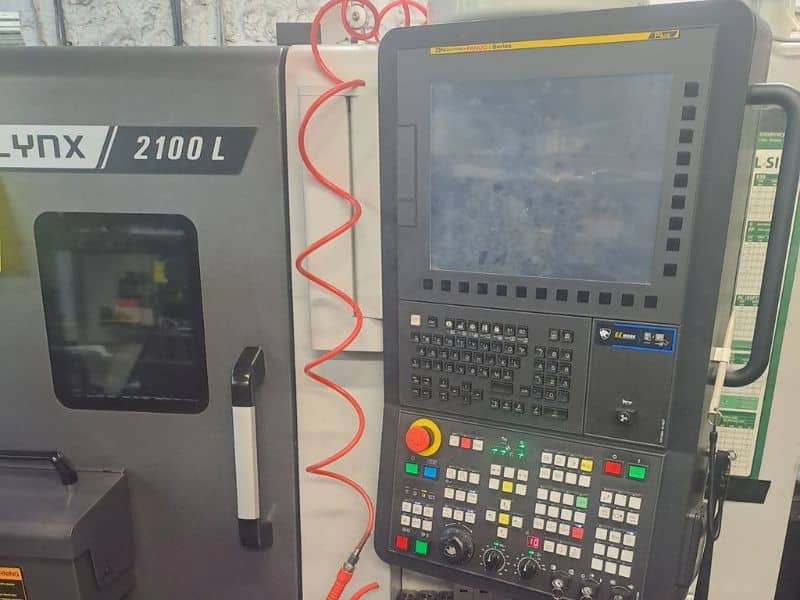
Recently our team inspected a hardworking Doosan CNC running a coolant designed for a 4–10% concentration range with a refractometer conversion factor of 1.33.
The machine tested at 14% Brix, which multiplied by the refractometer conversion factor equals a true concentration of 18.6%, nearly double the recommended upper limit.
And the cost isn’t just financial. Over-concentrated coolant can also contribute to foaming and skin sensitisation.
Getting concentration right is one of the simplest and most effective ways to reduce coolant waste and improve performance. When levels drift too high or too low, costs rise, machines misbehave and operators often feel the effects first.
A few consistent habits can keep your coolant exactly where it should be, protecting your budget, your operators and your equipment.
Small improvements here generate big savings, especially when coolant prices spike.

If concentration is the first pillar of coolant performance, cleanliness is the second. The majority of coolant failures we diagnose link back to tramp oil, swarf accumulation and bacterial activity.
Good housekeeping adds months to fluid life, which is a huge win during volatile supply periods.
Swarf drag-out is unavoidable, but losing coolant into the swarf bin doesn’t have to be. Historically, shops would let swarf bins fill with fluid, then tip the entire mix, coolant, metal fines and all back into the sump or down the drain.
Today, with rising prices and growing environmental pressure, coolant recovery is one of the easiest ROI wins in the machine shop.
The maths behind coolant recovery has never been more compelling, particularly as prices rise.
Just remember: recycling only works if the coolant is in good condition to start with. Regular testing, good housekeeping and clean swarf bins are essential. Coolant recovery can make sense in the right environment, it would be worth speaking to your metalworking fluid provider for advice on finding the right solution for your workshop.
Times are challenging, but challenges create opportunities. With metalworking fluids rising in cost and complexity, there has never been a better moment to:
A well-maintained coolant system lasts longer, performs better and saves money.
If you want support with coolant testing, automated dosing, operator training, or implementing a complete coolant management programme, our team and our PROCARE Fluid Management service is here to help.
Get in touch to find out how our team can help, our advice is always FREE! Call 0114 285 2987 or email [email protected]